


Clean air is fundamental to life. But in Ghana today, breathing has quietly become a daily health risk, one that most of us have simply learned to live with.
Our cities are growing rapidly, but not always in ways that protect public health. Urbanization is often celebrated as a sign of development, yet the way many cities in Ghana and across Africa are expanding is costing us something priceless: the air we breathe. Between rural-urban migration, population growth, and expanding economic activity, Ghana’s urban centers are transforming at a pace our infrastructure has struggled to match. This has now become a public health emergency hiding in plain sight.
Rapid, and often unplanned, urban growth has created sprawling settlements, traffic-congested roads, poor waste infrastructure, shrinking green spaces, and rising pollution levels. Dust from unpaved roads, vehicle emissions, household smoke, and waste burning now combine to create a dangerous mix. The result is that millions of Ghanaians are exposed to polluted air every day.
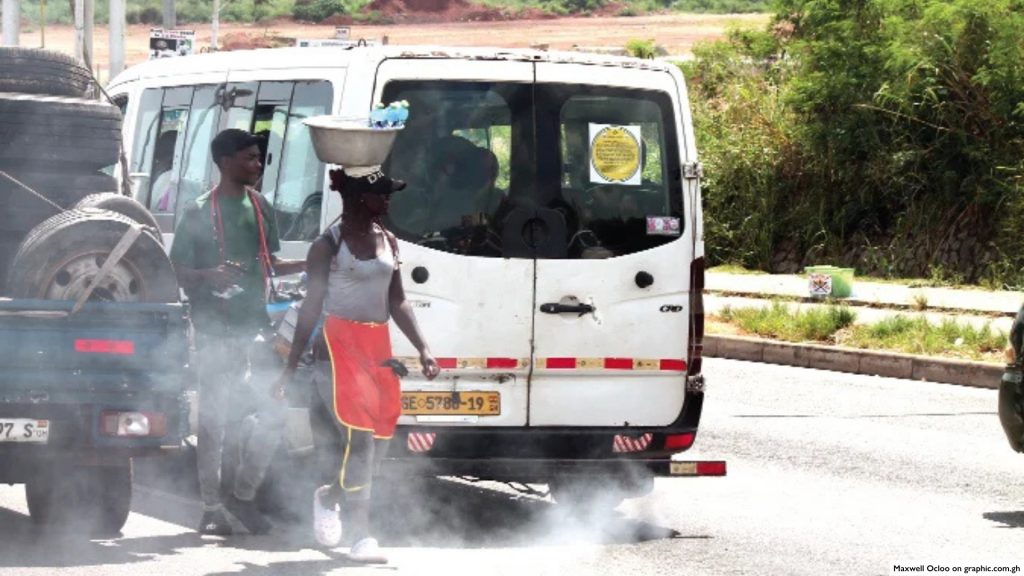
The health consequences are severe. According to the Clean Air Fund, air pollution is now Ghana’s second largest environmental threat to public health, responsible for approximately 28,000 deaths each year; equivalent to one life lost every 19 minutes. Recent reports indicate that Ghana’s air quality has deteriorated for three consecutive years. In 2024, the country ranked among the most polluted in the world, with PM2.5 pollution levels recorded at seven times higher than the limits recommended by the World Health Organization [cleanairfund.org]
Studies conducted in cities such as Accra, Kumasi, and Takoradi consistently show particulate pollution levels far exceeding safe limits. In some urban settings, traffic alone contributes close to 40 percent of particulate pollution. These pollutants are strongly linked to respiratory illnesses, cardiovascular disease, and thousands of premature deaths each year. [papers.ssrn.com]
Understanding the problem requires looking at some of the major drivers of air pollution in Ghana.
1. Transport: Old combustion engine Cars, Choked Roads…
Ghana’s transportation sector is aging and largely unregulated for emissions and remains one of the largest contributors to urban air pollution. As of 2023, over 3.3 million vehicles were registered, with an average vehicle age exceeding 14 years. The majority of these vehicles are used second-hand imports that often operate with outdated engines and weak emissions controls. Because Ghana’s transport system relies heavily on road transport, traffic congestion has become a major pollution hotspot, particularly in cities like Accra and Kumasi.
In cities like Accra, chronic traffic congestion means these engines idle for hours each day, releasing nitrogen oxides, carbon monoxide, and fine particulate matter at street level, directly into the breathing space of commuters, traders, and schoolchildren. While electric mobility is expanding globally, adoption in Ghana remains slow due to high upfront costs and limited incentives. Without stronger policies to promote cleaner transport and improve public transit systems, urban air pollution from vehicles will continue to rise.
2. Cooking With Solid Fuels
Another significant but often overlooked source of air pollution comes from household cooking.
Approximately 77 percent of Ghanaians still lack access to clean cooking solutions. In many homes and peri-urban communities, charcoal and firewood remain the primary fuels for preparing meals.
Household air pollution disproportionately affects women, children, and the elderly, who spend more time around cooking areas. Through community engagements under the RePower project led by the Green Africa Youth Organization (GAYO), many women have shared firsthand experiences of respiratory illness and eye irritation caused by indoor smoke.
Transitioning to cleaner alternatives such as LPG, electric induction cookers, biogas, or improved biomass cookstoves is technically achievable, yet remains challenging. The cost of LPG, unreliable supply, and long travel distances to refill stations in some communities make clean cooking difficult to sustain. Addressing this issue requires not only expanding access to cleaner technologies but also ensuring they are affordable and suited to local realities [mecs.org.uk]
3. Open Waste Burning; very irritating
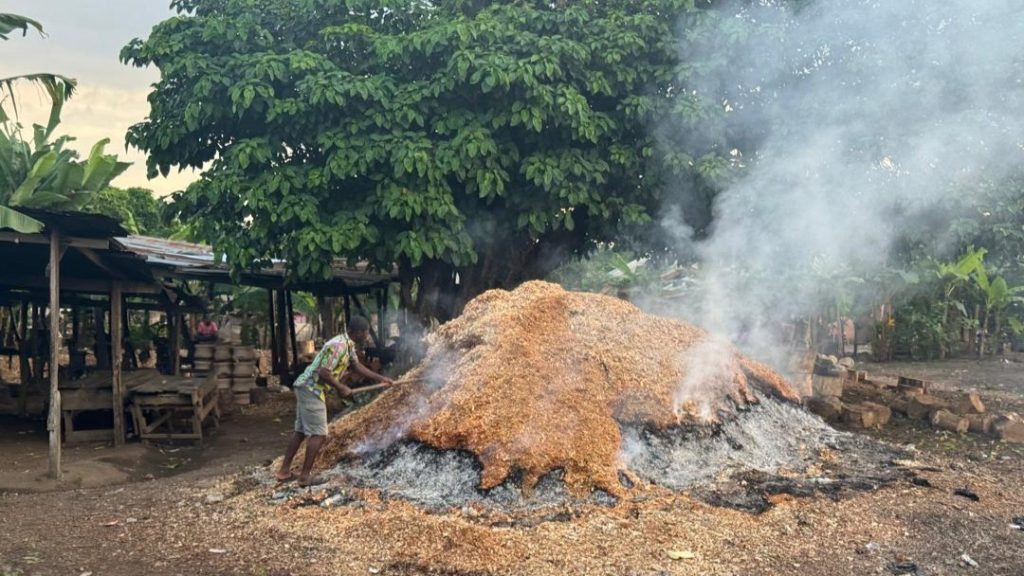
Open waste burning is another major contributor to air pollution across Ghana. Because waste collection systems are often inadequate, many households resort to burning plastic, paper, food waste, and other materials. What may seem like a quick solution for managing household waste releases harmful toxins into the air.
When waste is burned outside one’s home, the smoke travels far beyond that compound. It drifts into neighboring homes, schools, and marketplaces, exposing entire communities to toxic emissions. The consequences range from childhood asthma and chronic respiratory illness to long-term heart and lung disease.
Reducing open burning requires stronger waste management systems, reliable collection services, and increased public awareness about the health risks associated with burning waste. [cleanairfund.org] [papers.ssrn.com]
What GAYO Is Doing and Why It Matters
Civil society has not waited for the problem to be solved from the top. The Green Africa Youth Organization (GAYO) has spent years building ground-up systems that address air pollution where it originates: in communities, markets, and municipal waste streams.
Since 2020, GAYO’s anti-incineration and no-burn campaign has engaged over 14 municipal assemblies across Ghana, training more than 100 municipal officers and environmental health workers in community-level enforcement and education. This is not symbolic advocacy; it is capacity building inside the institutional structures that govern day-to-day waste management.
Through the Zero Waste Cities initiative in Accra, GAYO facilitates the recovery of approximately 50 to 75 tonnes of waste per month, diverting materials from both landfills and open burning. Over 500 youth and informal waste workers have been trained in circular economy solutions, integrating livelihoods with environmental outcomes in a model that serves both people and air quality simultaneously.
On the data side, GAYO has performed an open burning hotspot mapping and deployed mobile low-cost air quality sensors across urban locations. These sensors generate hyperlocal PM2.5 readings that would otherwise not exist — filling critical gaps in Ghana’s national monitoring infrastructure and enabling evidence-based decisions at the community level. When people can see the air quality in their street, the conversation about pollution becomes immediate and personal.
Across all of this work runs a consistent thread: the recognition that air quality cannot be improved through awareness campaigns alone. It requires functional systems for waste collection, for clean energy access, and for environmental monitoring, built with and for the communities most affected.
Progress Is Being Made, But It Is Not Enough
Ghana has made important progress in improving air quality monitoring and environmental policy. Institutions such as the Environmental Protection Authority and local assemblies are increasingly working to address pollution through regulations, monitoring systems, and environmental programs. But scale and implementation remain the challenge. Several gaps stand out.
Urban development continues to outpace planning. The concentration of population in Accra and Kumasi creates density without the infrastructure; paved roads, green corridors, and reliable waste collection that would make it livable. Decentralized investment in regional cities and rural infrastructure is not just an equity issue; it is an air quality issue.
Public transport remains underfunded and unreliable, which means private vehicle dependency stays high. Expanding and electrifying mass transit systems would reduce both congestion and per-capita emissions far more effectively than individual EV adoption alone.
Waste collection coverage must extend to informal settlements, where open burning is most prevalent and health consequences are most severe. Bans on open burning mean nothing without an alternative especially institutionalizing and enforcing source separation of waste, and reliable collection.
Air quality monitoring must be nationalized and institutionalized. Currently, real-time pollution data is sparse outside major urban centers. Scaling low-cost sensor networks, as demonstrated by community initiatives such as the Zero Waste Cities project, would provide the evidence base needed to hold both polluters and authorities accountable.
Where Do We Go from Here?
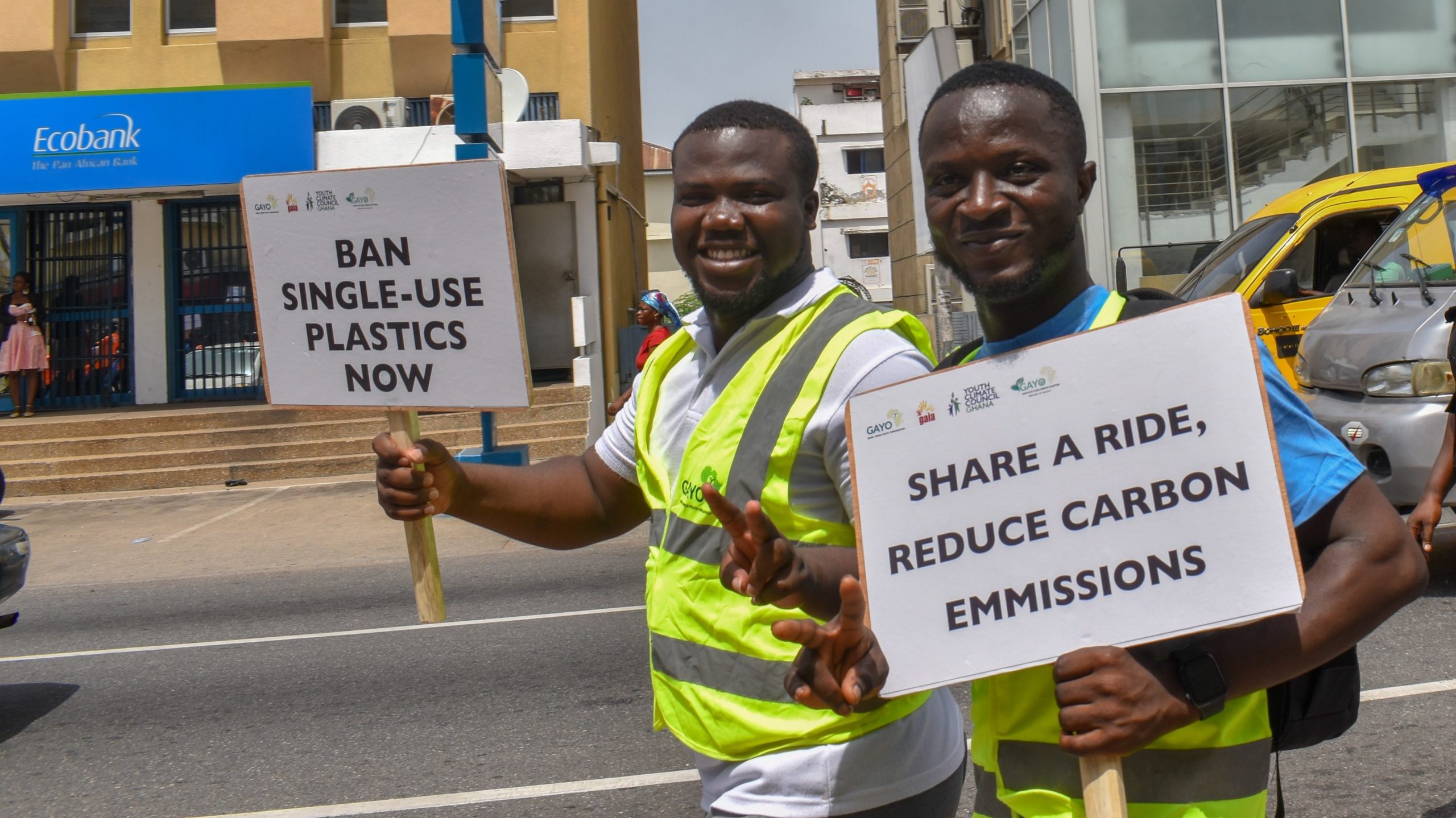
Addressing air pollution in Ghana requires both policy reform and collective action. Several key steps can help accelerate progress.
Rethink Urban Development: Economic growth should not come at the expense of public health. Urban development must prioritize proper planning, protected green spaces, and investments in rural amenities so that development spreads more evenly across regions rather than concentrating population pressure in major cities.
Improve Public Transport and Accelerate E-Mobility: Reliable and efficient public transport systems can significantly reduce the number of vehicles on the road. Expanding bus networks, improving urban mobility planning, and implementing Ghana’s electric vehicle policies more urgently can help reduce emissions from transport [marketresearch.com]
Enforce Community Bans on Open Waste Burning: Communities need reliable waste collection systems supported by stronger enforcement against open burning. Local authorities, together with residents, must work together to promote safer waste management practices.
Expand Access to Clean Cooking: Scaling access to LPG, electric cooking technologies, biogas systems, and improved cookstoves can save thousands of lives. However, these solutions must be affordable and adapted to the realities of different communities.
Expand Air Quality Monitoring: Projects such as GhanaAQ and community air monitoring initiatives demonstrate how low-cost sensors can help generate valuable local data. Expanding these monitoring systems nationwide would strengthen evidence-based policymaking and increase public awareness of pollution risks.
Leverage Indigenous Knowledge and Local Innovation: Communities across Ghana have long traditions of caring for land and natural resources. Integrating indigenous knowledge with modern technology can support more sustainable and culturally appropriate environmental solutions.
Clean Air Is Everyone’s Responsibility
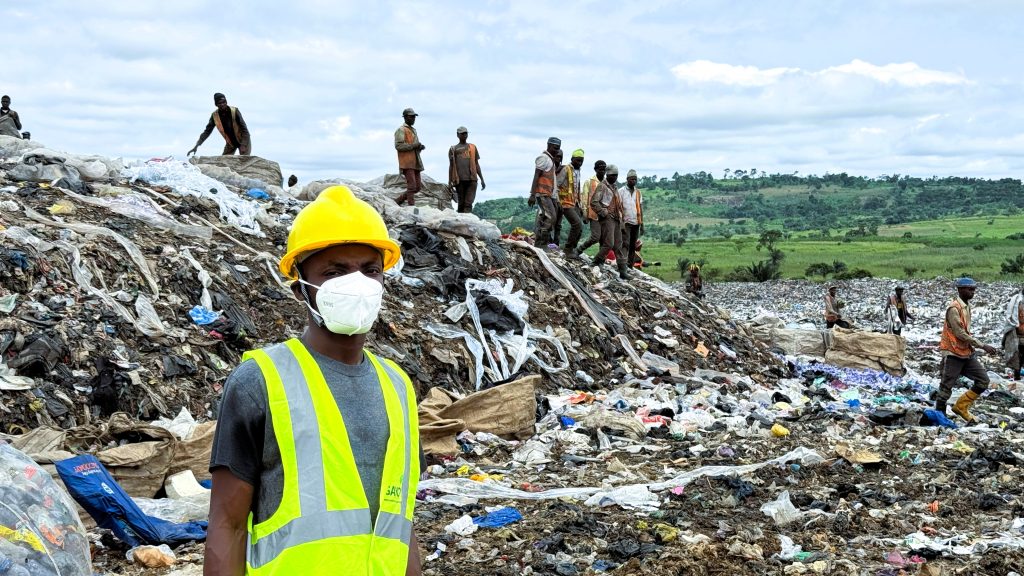
Clean air cannot be achieved through government policies alone. It requires action from individuals, communities, businesses, and institutions, policy reform, infrastructure investment, community systems, and individual behavior change, working together.
The next time smoke from a vehicle exhaust fills the air on a busy road, or waste is burned in a neighborhood, it serves as a reminder that the choices we make affect the health of those around us.
Small actions can create meaningful change: choosing not to burn waste, supporting cleaner cooking solutions, advocating for better public transport, and holding authorities accountable for stronger environmental enforcement.
Clean air is a basic human right, and protecting it is a responsibility we all share. Join us on 6th March 2026 as we campaign across all 16 regions of Ghana under the theme “Just Transition for Communities – Building Prosperity, Restoring Hope.” Together, we are calling for zero-waste systems, methane reduction, modernized landfills, and dignity and protection for waste workers.
Let’s work together to secure clean air, healthier communities, and a sustainable future for Ghana.