


February 2026 marked an important moment in our journey to build a more inclusive and sustainable waste management system in Ghana. The team at Green Africa Youth Organization paid a courtesy call to the Ministry of Local Government, Chieftaincy and Religious Affairs, to formally share insights into the work we are doing to reduce waste. It was a chance to share a vision, one where the people who quietly keep our cities clean are finally recognized as central actors in the country’s environmental future.
Across Ghana, thousands of informal waste workers rise before dawn each day to collect, sort, and recover materials that would otherwise pollute our streets, waterways, and communities. For years, their work has been largely invisible, despite the critical role they play in keeping the waste system functioning. At GAYO, we believe that a truly sustainable waste system must recognize and empower these workers, not overlook them. This belief is what drives our ongoing national mobilization and integration effort across all 16 regions of the country.
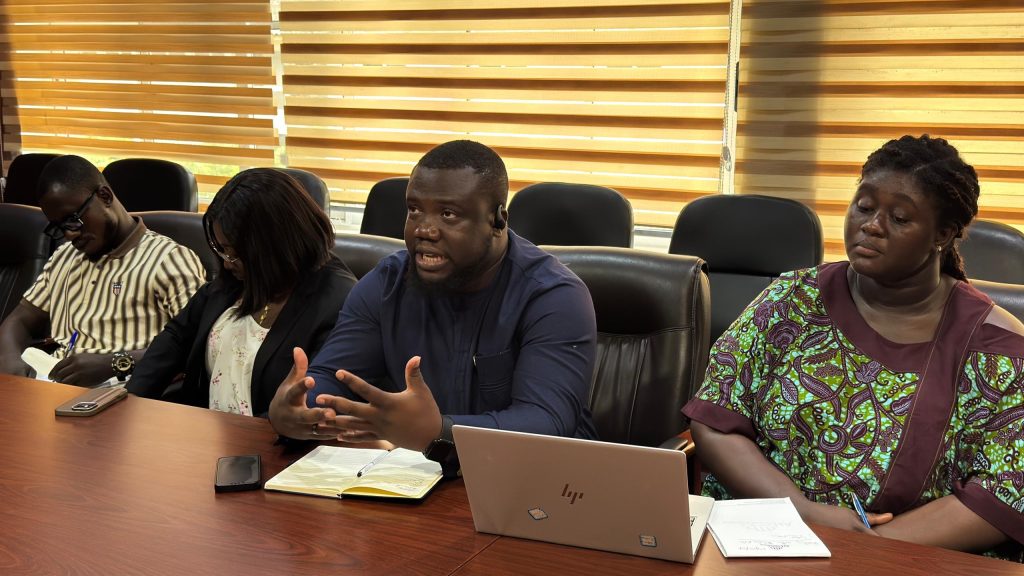
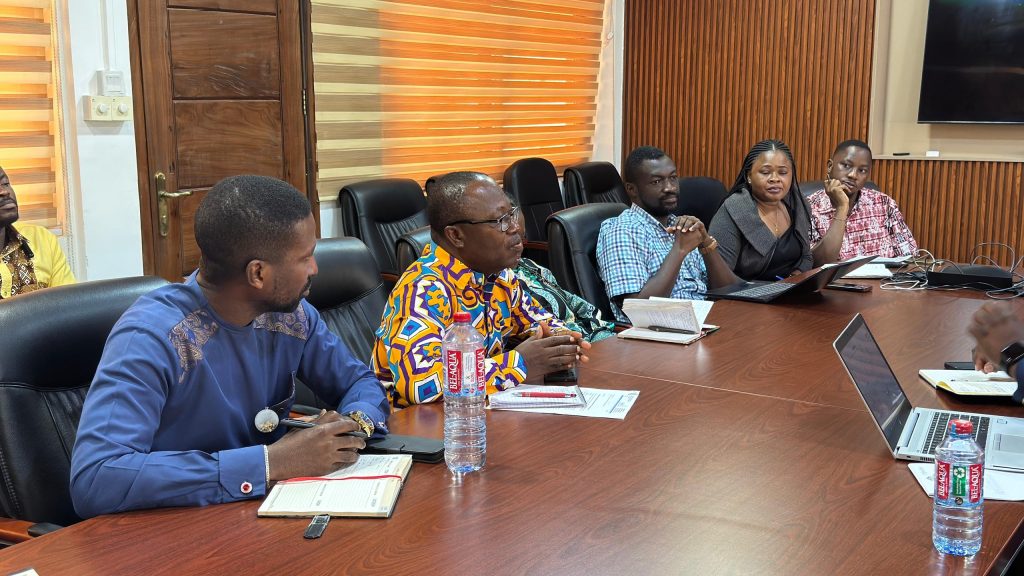
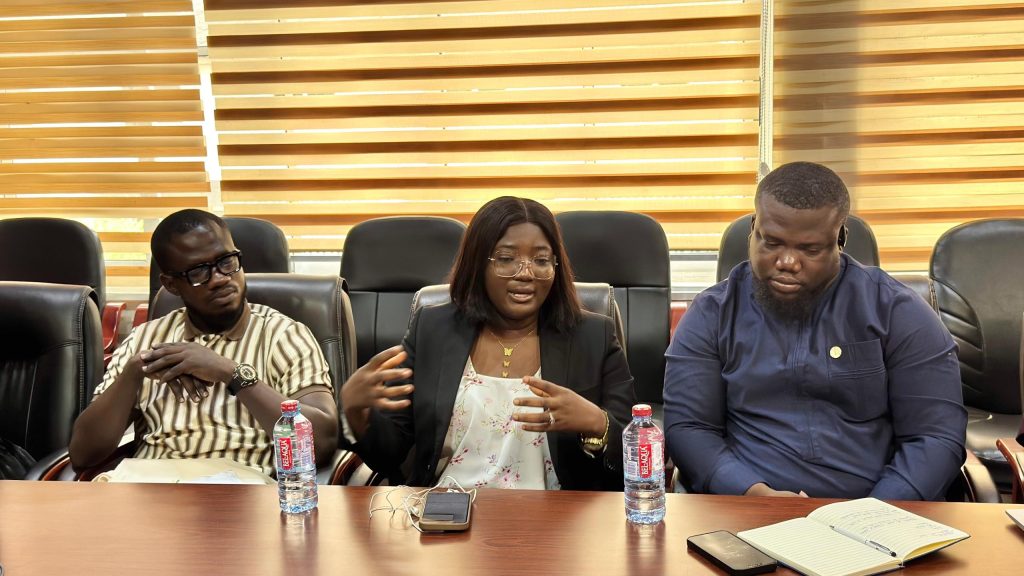
During the meeting, we presented the progress made so far in organizing informal waste workers and outlined the pathway toward structured unionization. Our goal is simple but transformative: to ensure waste workers have a collective voice, stronger protections, and the recognition they deserve within Ghana’s formal waste management framework. Unionization is not only about representation, but it is also about dignity, fair opportunities, and building a system where those doing essential environmental work are supported rather than sidelined.
The conversation also highlighted another key pillar of our work, mainstreaming organic waste management into district waste management plans. Organic waste makes up a significant portion of what ends up in Ghana’s dumpsites and landfills. Yet, with the right systems in place, it holds enormous potential. Composting and other circular solutions can transform organic waste into valuable resources for agriculture, reduce methane emissions, and create new green jobs across communities.
By integrating organic waste management into district planning, Ghana has the opportunity to unlock a new layer of climate and economic benefits. It means healthier soils for farmers, cleaner communities for residents, and a more resilient waste management system for local governments. It also aligns closely with national priorities around climate action, sanitation, and green economic growth.
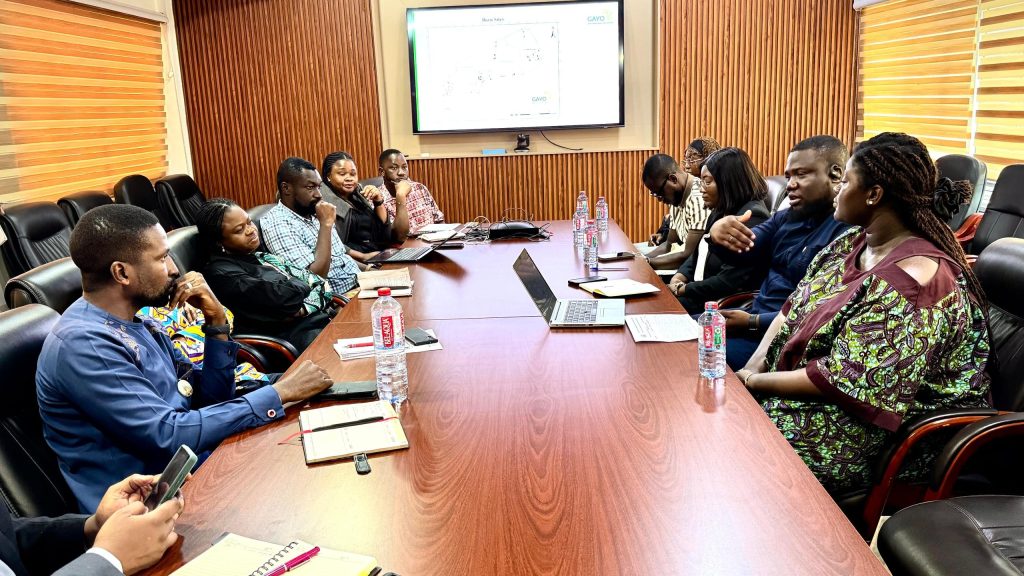
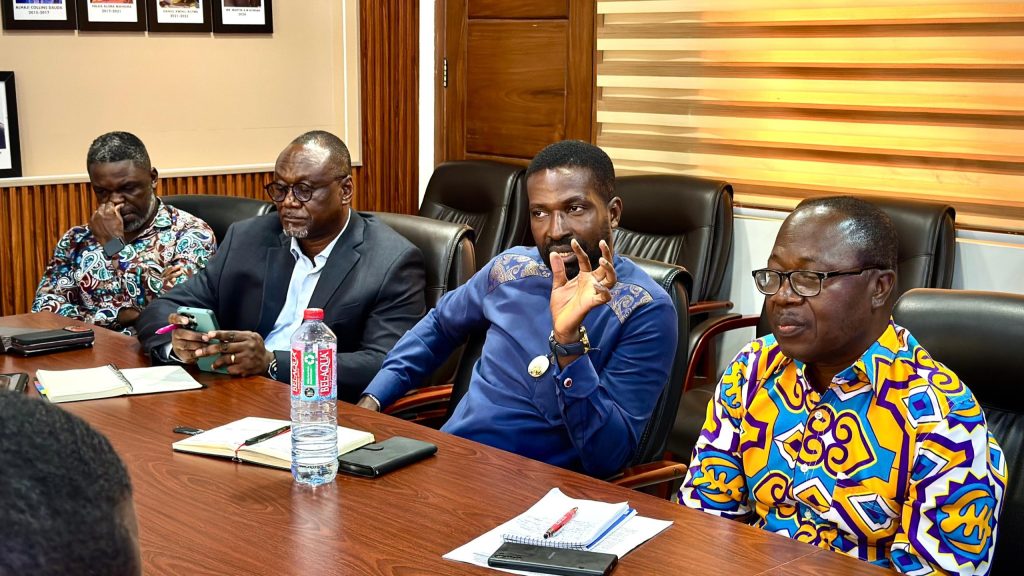
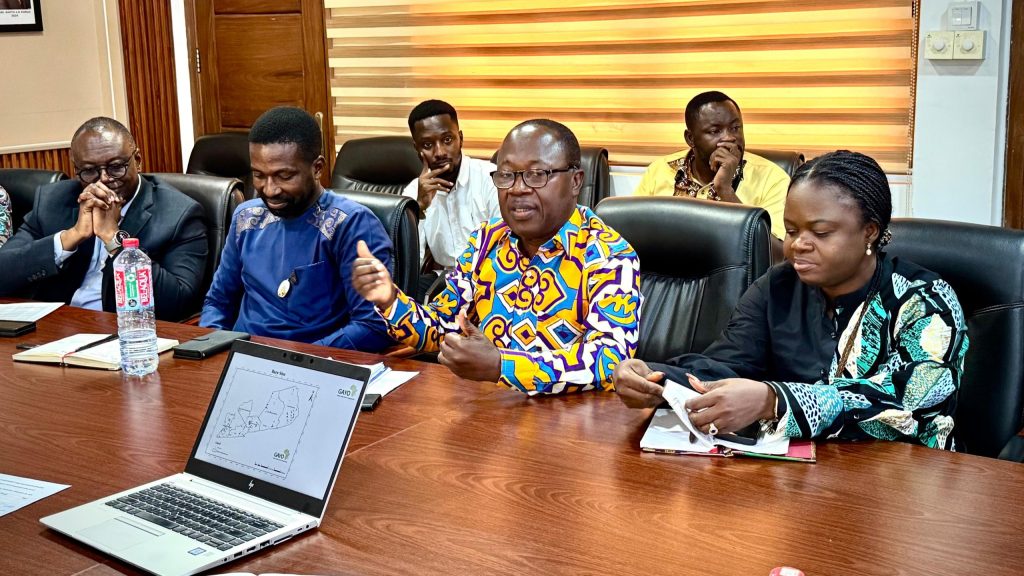
Our engagement with the Ministry represents an important step toward ensuring that these efforts are well understood and supported at the institutional level. Strong partnerships with government agencies are essential for scaling solutions that work, especially when those solutions are rooted in communities and driven by the people most affected by waste challenges.
What stood out most during the meeting was a shared recognition that change is possible when different actors work together. Civil society, government institutions, local authorities, and waste workers themselves all have a role to play in shaping the future of Ghana’s waste system. The courtesy call marks the beginning of deeper collaboration.
Looking ahead, the potential is immense. A Ghana where waste workers are organized, protected, and recognized. A country where organic waste is no longer treated as a problem but as a resource. A system where local governments have stronger tools and partnerships to manage waste sustainably.
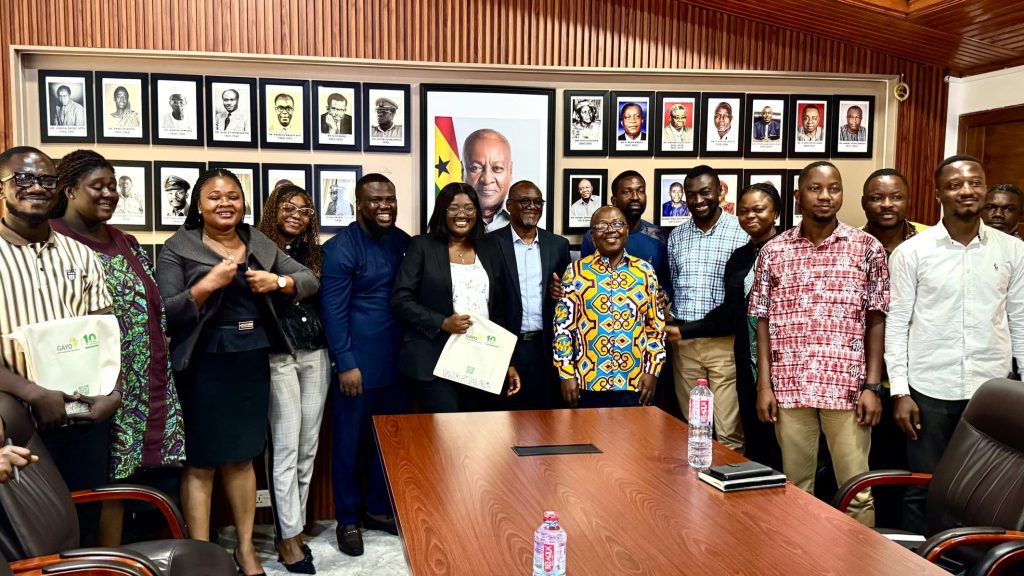
At GAYO, we believe that building this future requires persistence, partnership, and a willingness to challenge how things have always been done. This engagement key because progress often begins with something simple, showing up, sharing a vision, and inviting others to help build it together.
