

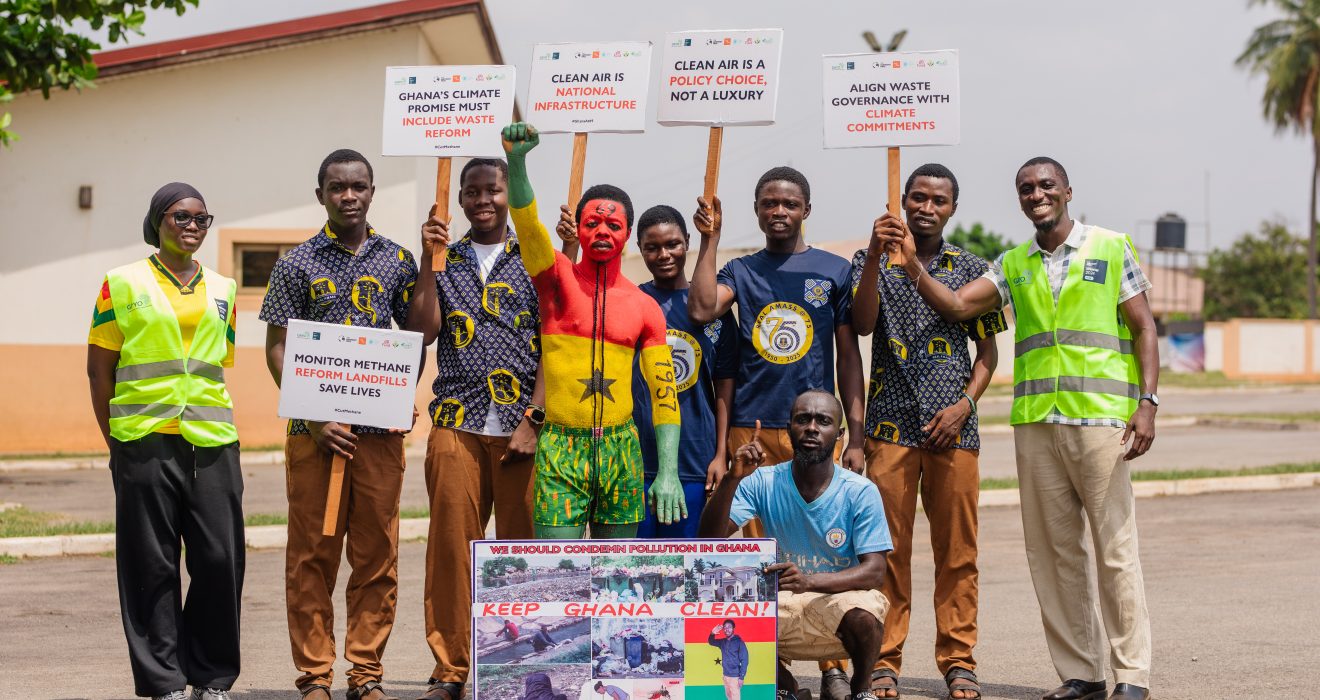
Accra has been named one of the world’s inaugural 20 Cities Towards Zero Waste by the UN Secretary-General’s Advisory Board on Zero Waste, with support from UN-Habitat and the UN Environment Programme (UNEP). The recognition, announced ahead of the International Day of Zero Waste on 30 March 2025, is a direct result of GAYO’s Zero Waste Cities project — a community-led initiative that has been quietly transforming how Accra handles waste since 2023.
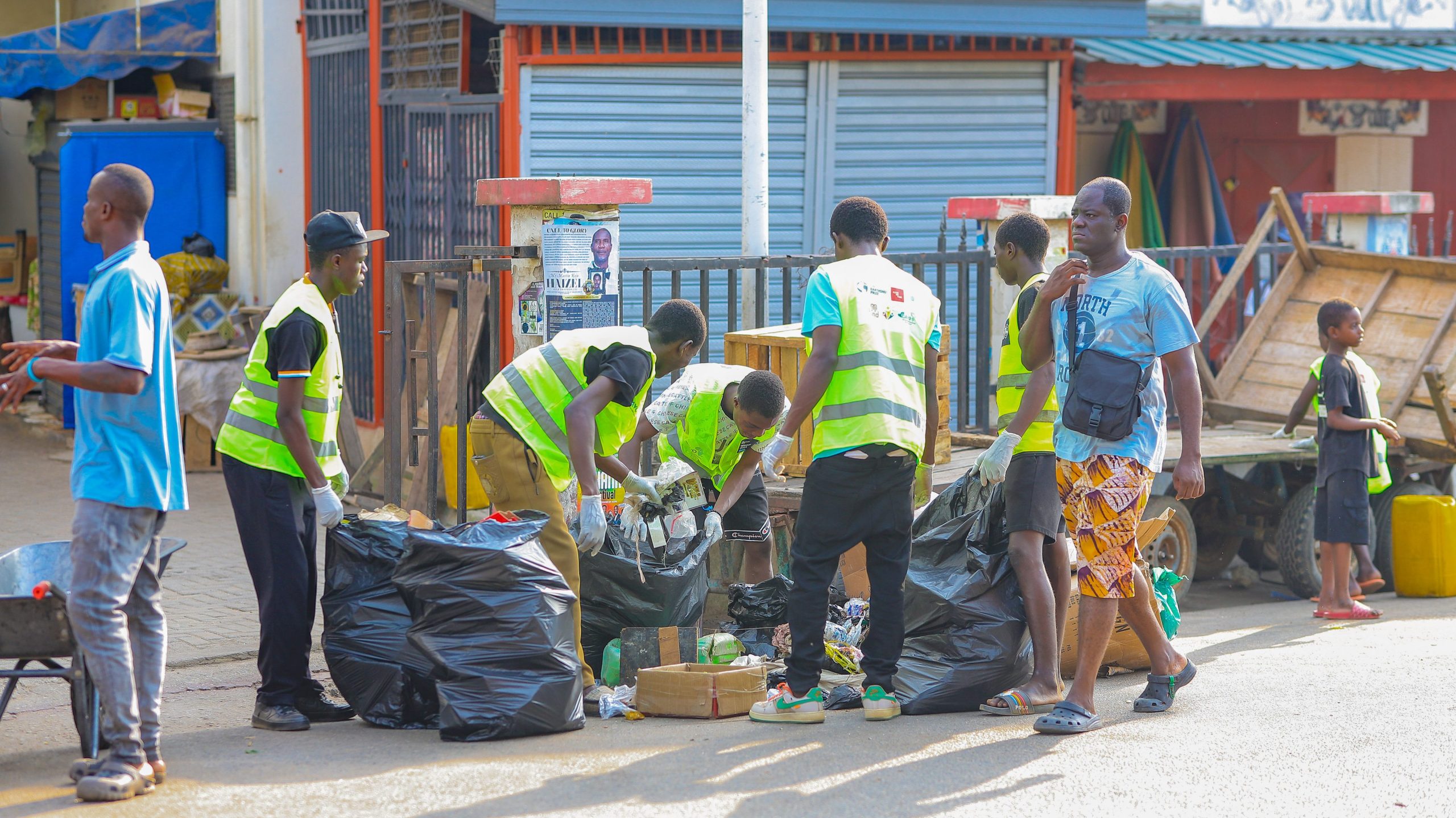
Since the project began, we together with our partners have diverted approximately 1,072 tonnes of waste from landfill and open burning across Ghana, Uganda and Botswana; including 748 tonnes of plastic and 324 tonnes of organic waste. That is nearly 30 tonnes diverted every single month. Over the same period, the initiative has avoided approximately 14,288 tonnes of CO₂e, proving that locally led zero waste systems can deliver measurable climate outcomes at scale. Behind these numbers are communities no longer living beside illegal dump sites, and waste workers whose labour has been recognised and integrated into functioning systems.
The 20 Cities Towards Zero Waste initiative was established to spotlight cities demonstrating ambitious, innovative approaches to reducing waste, advancing circular economy solutions, and building more sustainable and inclusive urban systems. The twenty cities selected span six continents from Bologna and San Francisco, to Kisumu, Lilongwe, Dar es Salaam, and Iloilo City. Accra’s inclusion is a signal to the rest of the continent that African cities are leading.
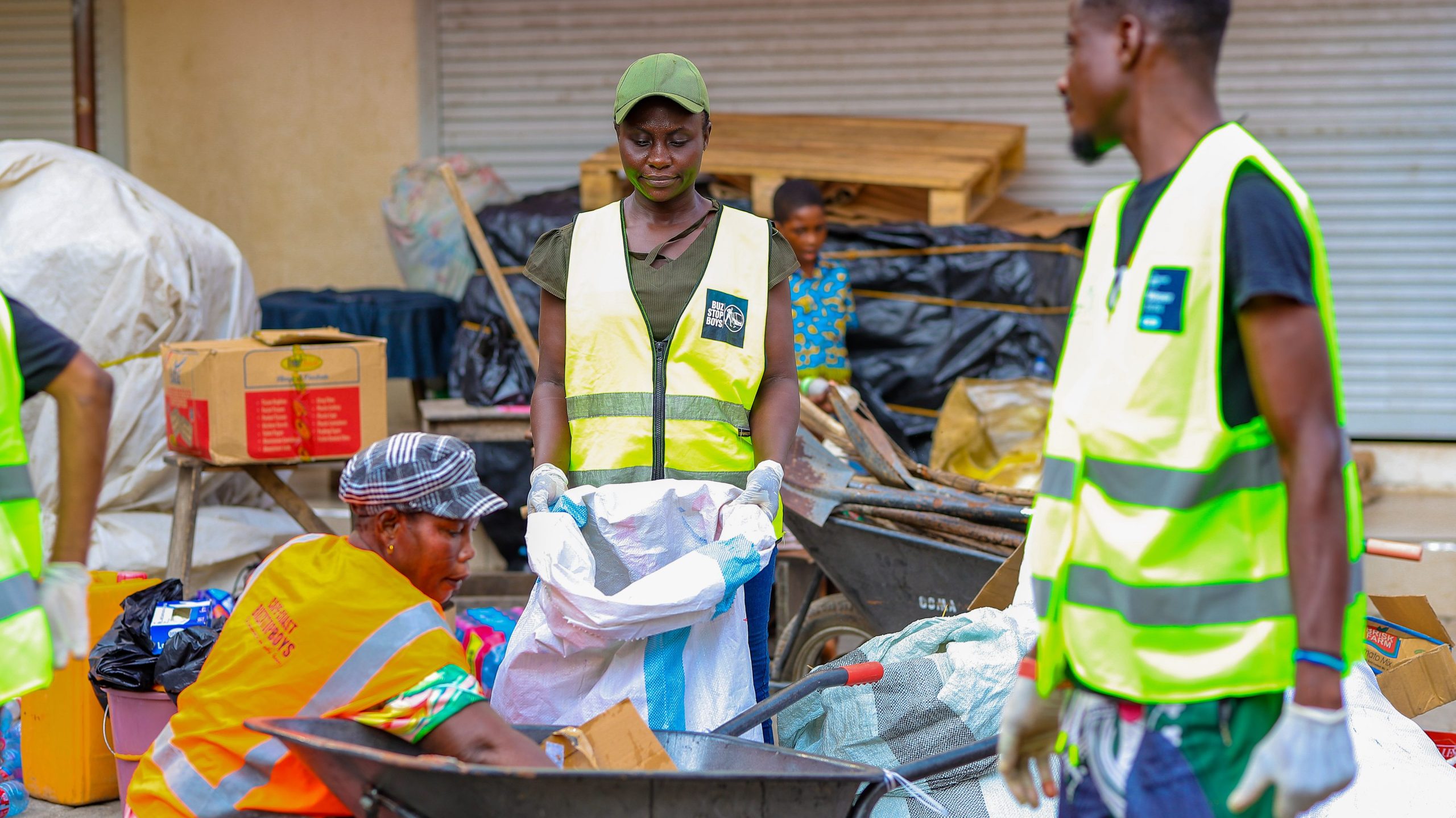
This recognition affirms an approach GAYO has championed from the beginning. One that is community-centred, data-driven, and rooted in local realities. Too often, solutions to Africa’s waste challenges are imported from elsewhere, designed without an understanding of the informal systems and economic structures that shape how waste moves through African cities. GAYO’s work has demonstrated that the most effective zero waste systems grow from within, built on community knowledge, sustained by local action, and connected to global standards.
Accra’s recognition is a milestone. But for GAYO, it is also a deepening of responsibility. Millions of people across Ghana and the African continent continue to live with polluted waterways, toxic open burning, and plastic-choked communities. GAYO remains committed to ensuring that every community across Ghana and Africa is free from pollution and waste because a clean, healthy environment is not a privilege. It is a right. The work continues.