Reimagining urban systems through community-driven approaches that reduce pollution and extraction, protect public health, and advance circular models rooted in reuse, repair, and shared responsibility.
AMA and GAYO join forces to tackle Accra’s waste crisis
GAYO holds Ecopreneur Summit and Training for youth in waste management
Our Partners
Waste
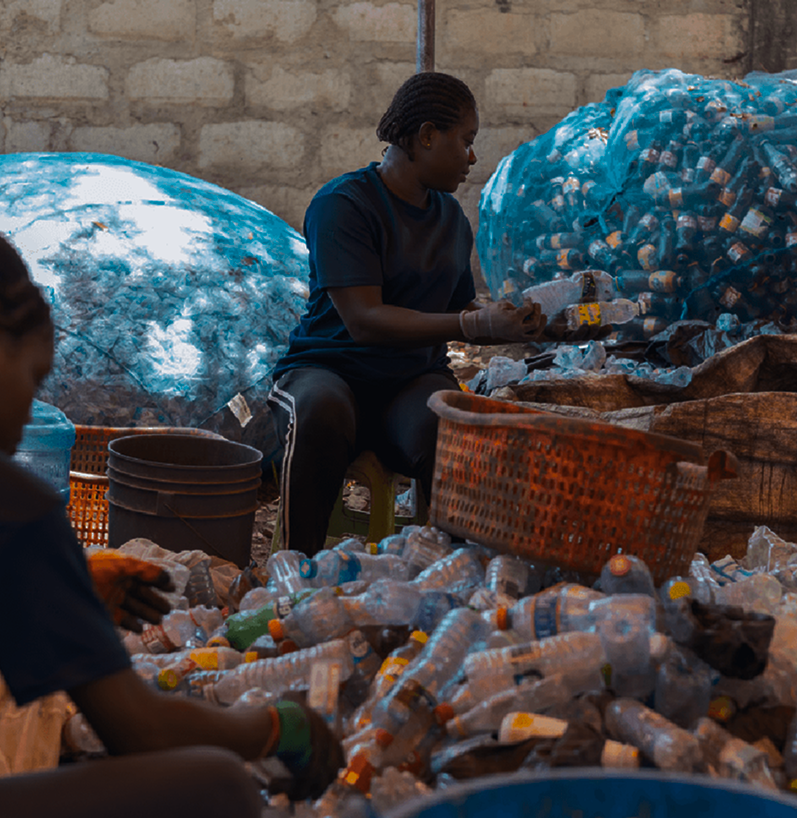
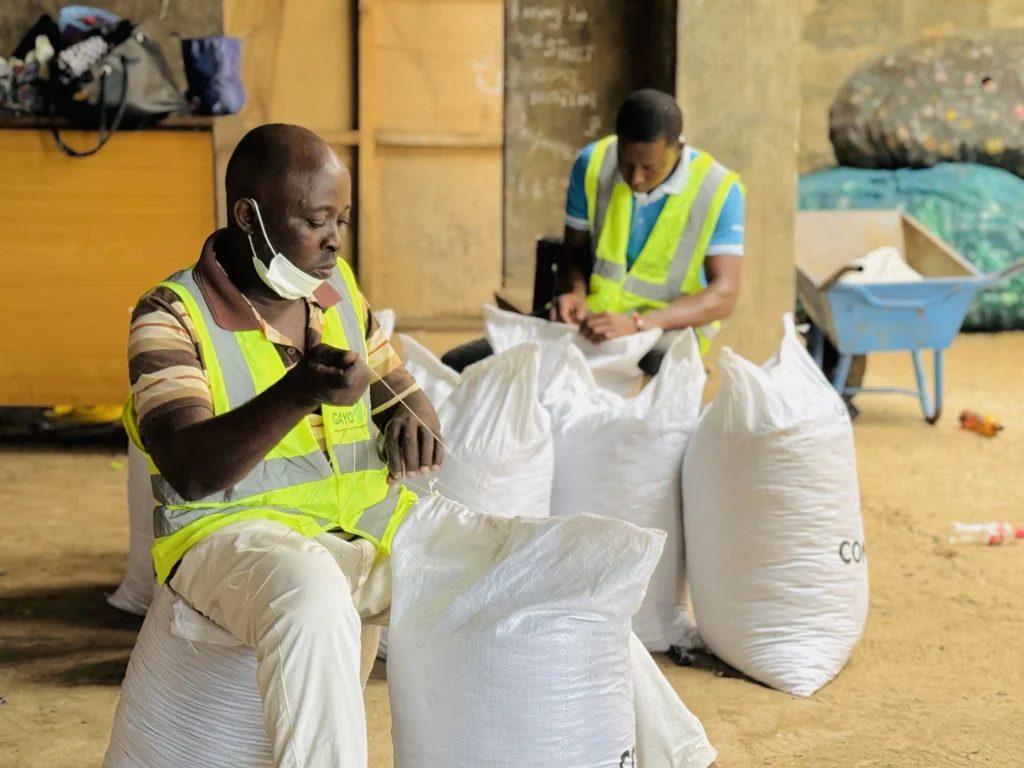
This work track focuses on reducing the volume of municipal solid waste generated in communities and improving waste management across the entire value chain, with a strong emphasis on diverting waste from landfills, incineration pits, and open dumps. The portfolio prioritizes the diversion of organic waste and recyclables, including plastics, metals, and textiles, commonly generated in urban households, markets, schools, and commercial spaces. It includes initiatives to promote waste separation at source, sustainable consumption practices, and the adoption of zero-waste and circular-economy principles. The track supports community sensitization and behavior change campaigns, capacity building for households, institutions, waste workers, and local authorities, and the piloting of innovative waste solutions that enable reuse, recycling, composting, and material recovery. Overall, the work helps reduce environmental pollution, improve urban sanitation, and create inclusive green jobs in cities.
Urban Garden
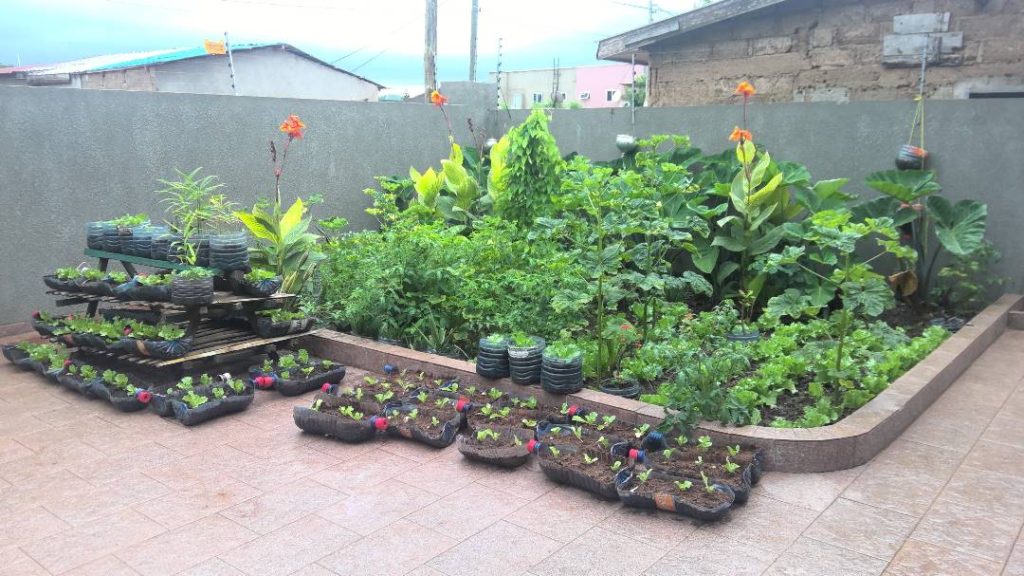
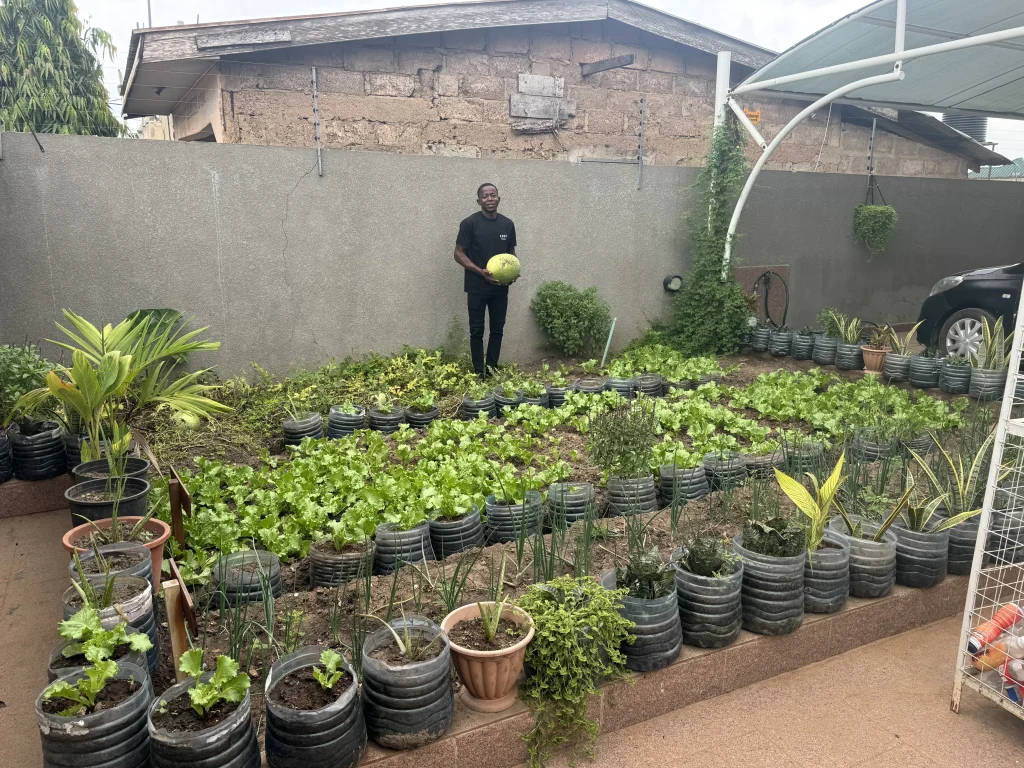
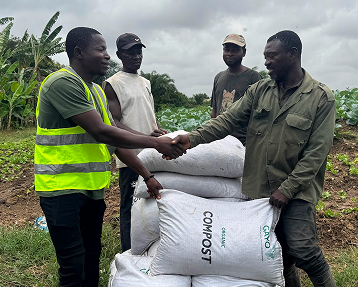
This work track focuses on promoting urban gardening as a circular, climate-smart solution that links organic waste recovery to local food production and greener cities. Within the Zero Waste Cities portfolio, urban gardening initiatives utilize compost produced from diverted organic waste to support household, community, and institutional gardens, including schools and public spaces. The track includes capacity building in sustainable urban agriculture, the establishment of demonstration gardens, and community engagement to improve food security, nutrition, and livelihoods. It also supports partnerships with local authorities and community groups to integrate urban gardening into city planning, land-use strategies, and climate action plans, thereby improving urban resilience, greener neighborhoods, and inclusive, people-centered city development.
Methane
This work track focuses on reducing methane emissions from urban waste systems, recognizing methane as a highly potent greenhouse gas with significant climate and public health impacts. The portfolio focuses on reducing methane generated primarily from organic waste decomposing in landfills, dumpsites, and other uncontrolled disposal sites, where relevant. Key activities include promoting source separation of waste, diverting organic waste through composting and other biological treatment methods, and strengthening data collection and monitoring of methane emissions. The track also involves policy engagement, capacity-building for local authorities, and community-level interventions that link waste reduction to climate mitigation, cleaner air, and improved urban resilience, while advancing cities’ climate action and net-zero commitments.
Compost
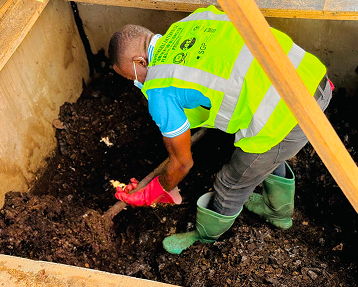
This work track focuses on diverting and treating organic waste through composting as a core strategy to reduce landfill use, methane emissions, and environmental pollution in cities. The portfolio supports the separation of organic waste at source from households, markets, institutions, and food businesses, and promotes decentralized and community-based composting models where feasible. Key activities include capacity building for waste workers, community groups, and local authorities on composting practices, piloting composting infrastructure and systems, and strengthening linkages between organic waste recovery and urban agriculture, landscaping, and soil restoration. The track also engages city authorities in integrating composting into local waste management plans and policies, contributing to circular-economy outcomes, improved soil health, and climate-smart urban development.
Clean Air
This work track focuses on improving urban air quality by addressing key pollution sources linked to waste management and broader urban systems. Within the Zero Waste Cities portfolio, clean air interventions prioritize diverting waste away from open burning, dumpsites, and other uncontrolled disposal methods, particularly organic and plastic waste, which contribute significantly to air pollution. The track includes air quality monitoring and data generation, community sensitization on the health and climate impacts of air pollution, and behavior change efforts to discourage open burning and indiscriminate waste dumping. A core component of this work involves policy engagement with Metropolitan, Municipal, and District Assemblies (MMDAs) to strengthen, enforce, and operationalize local bans and bylaws on open burning and improper waste disposal. Through advocacy, stakeholder coordination, and institutional capacity building, this track supports the integration of clean air priorities into local governance, contributing to healthier urban environments and more sustainable waste systems.